
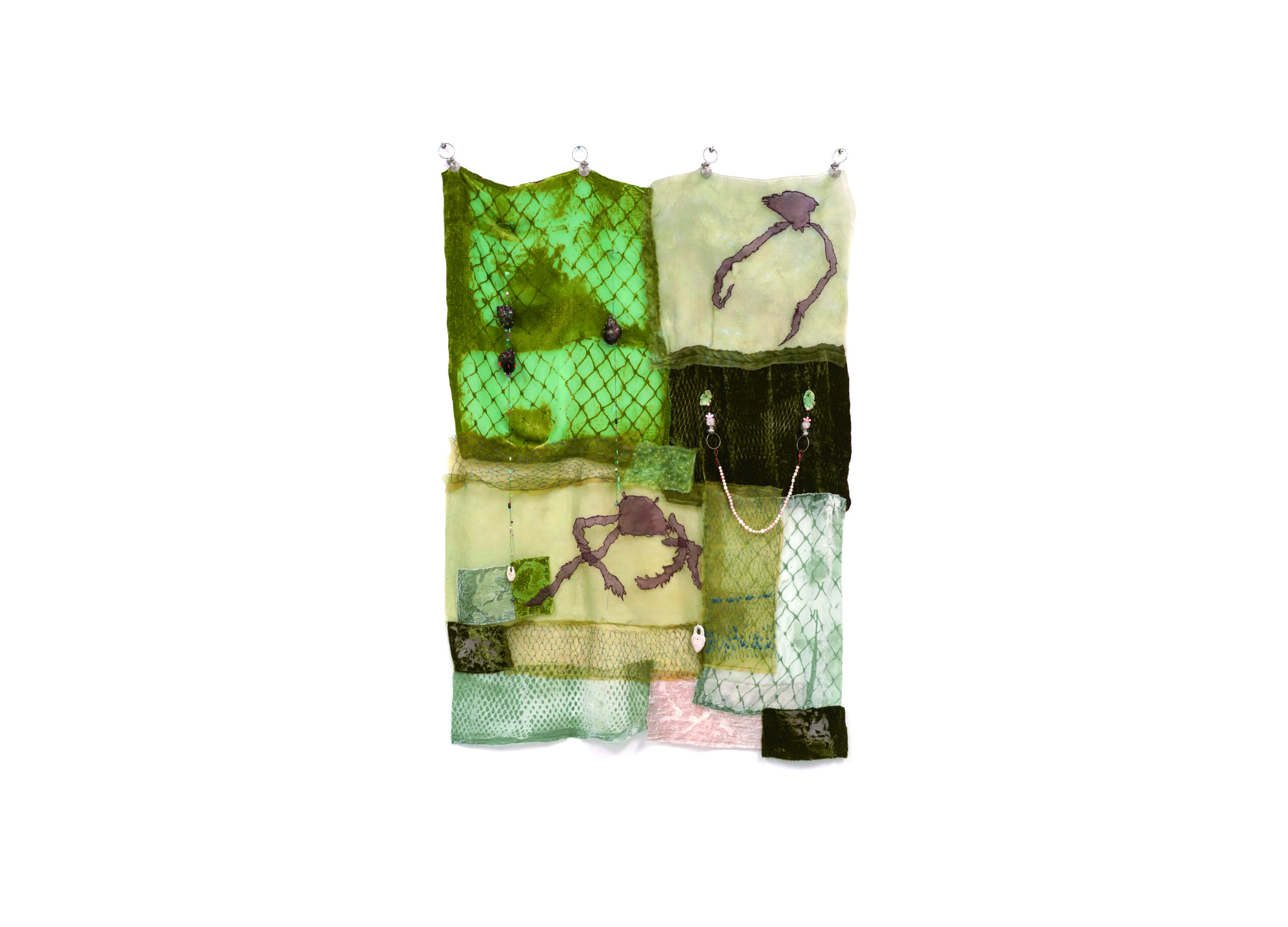
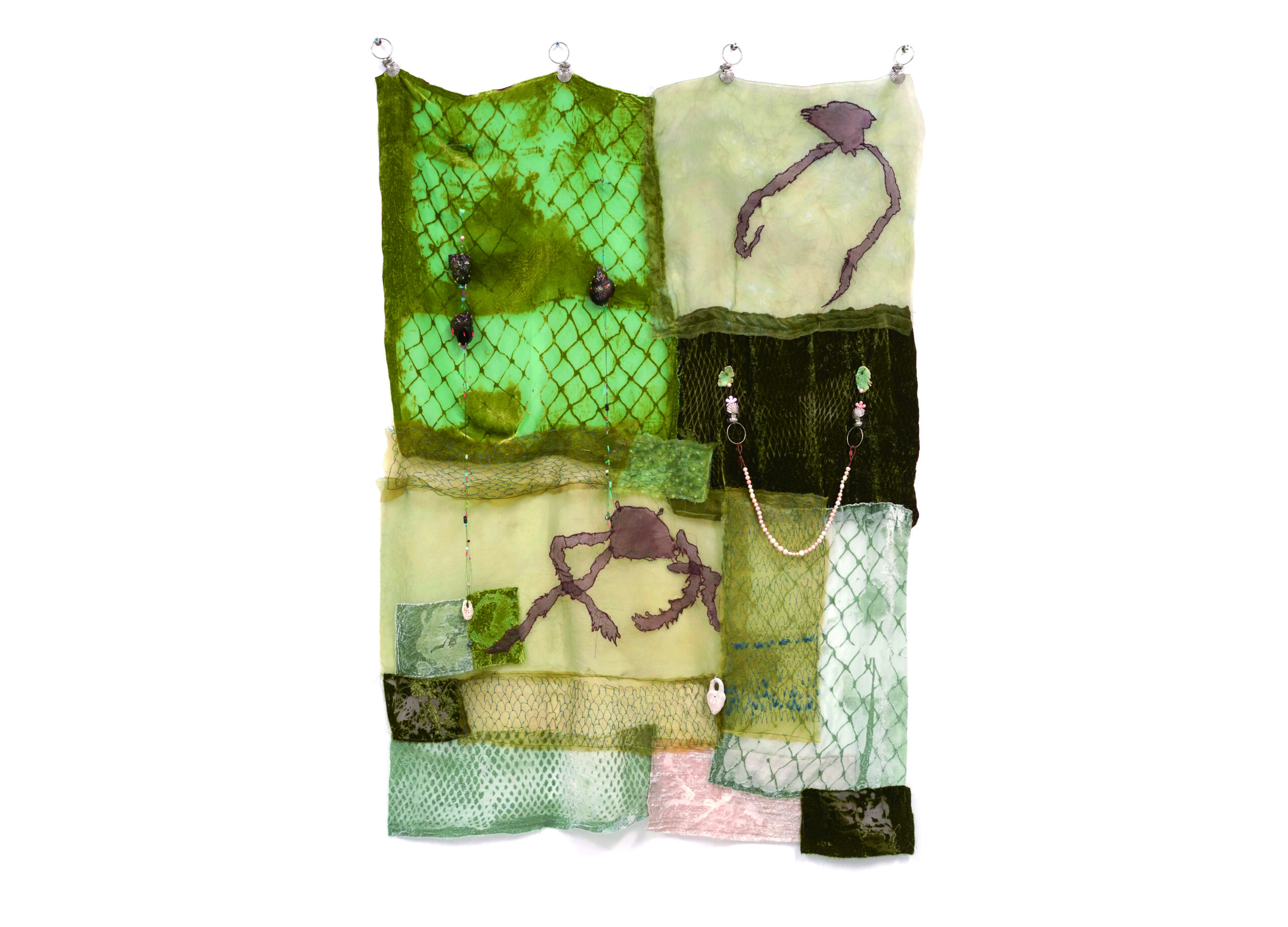
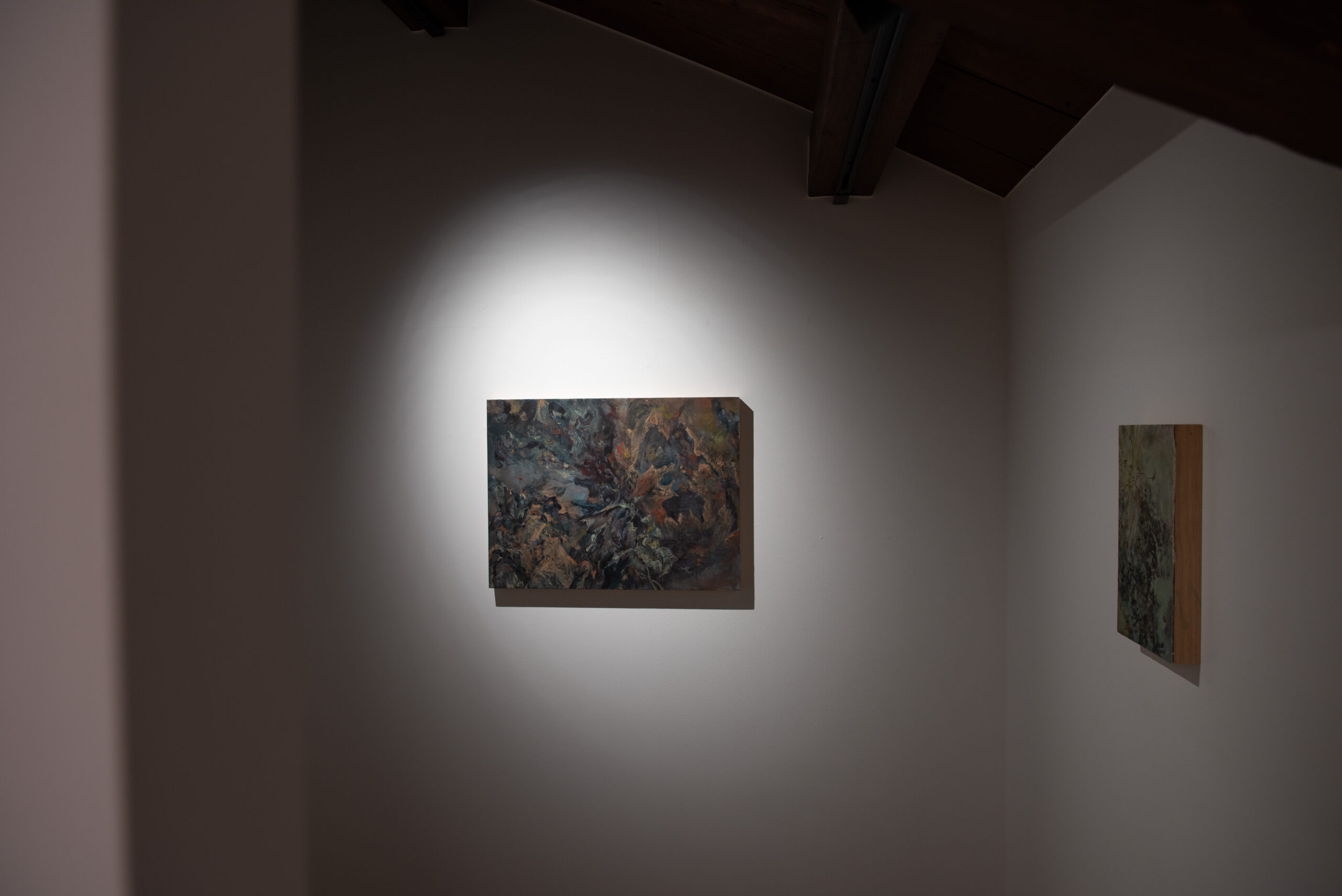
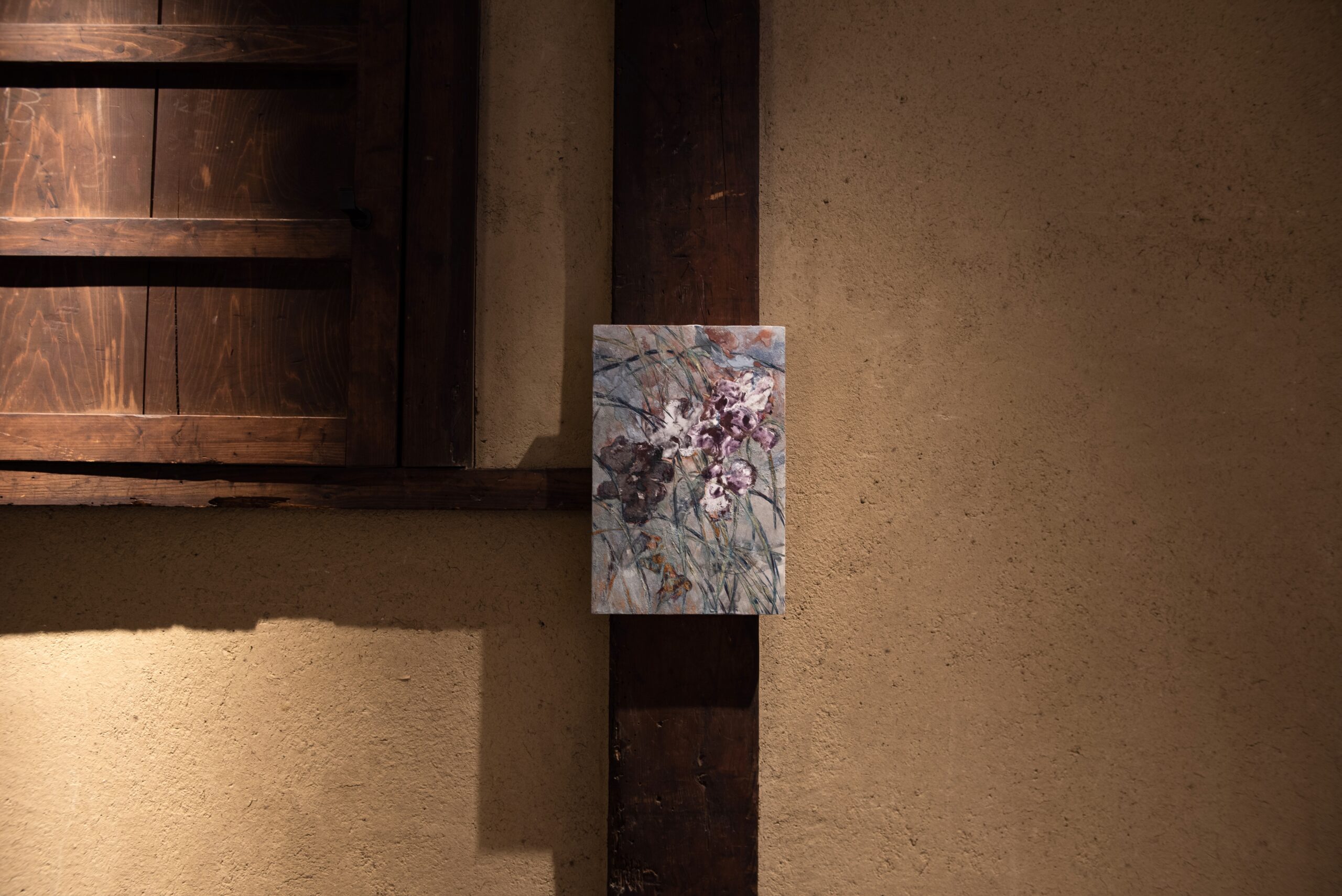
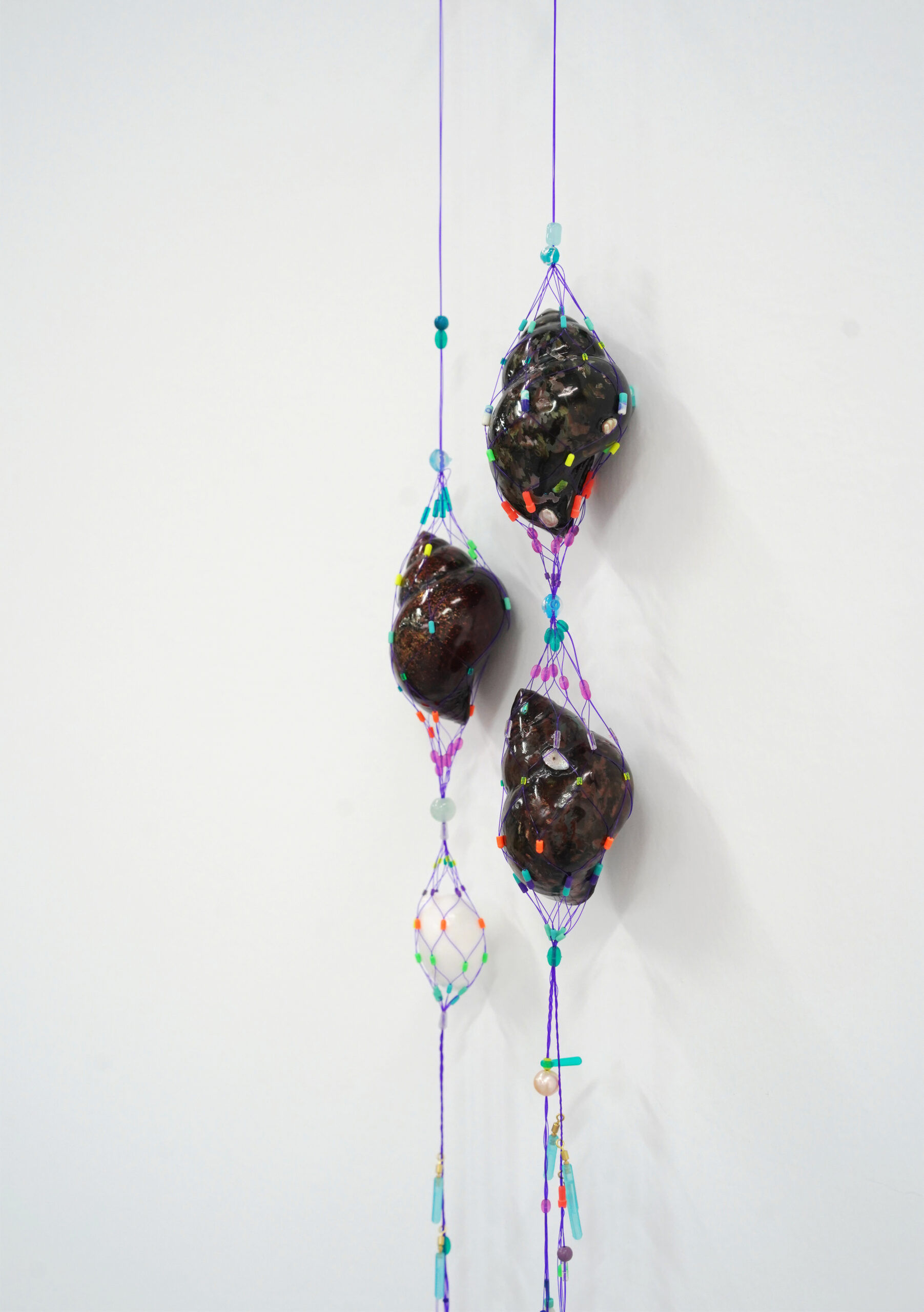
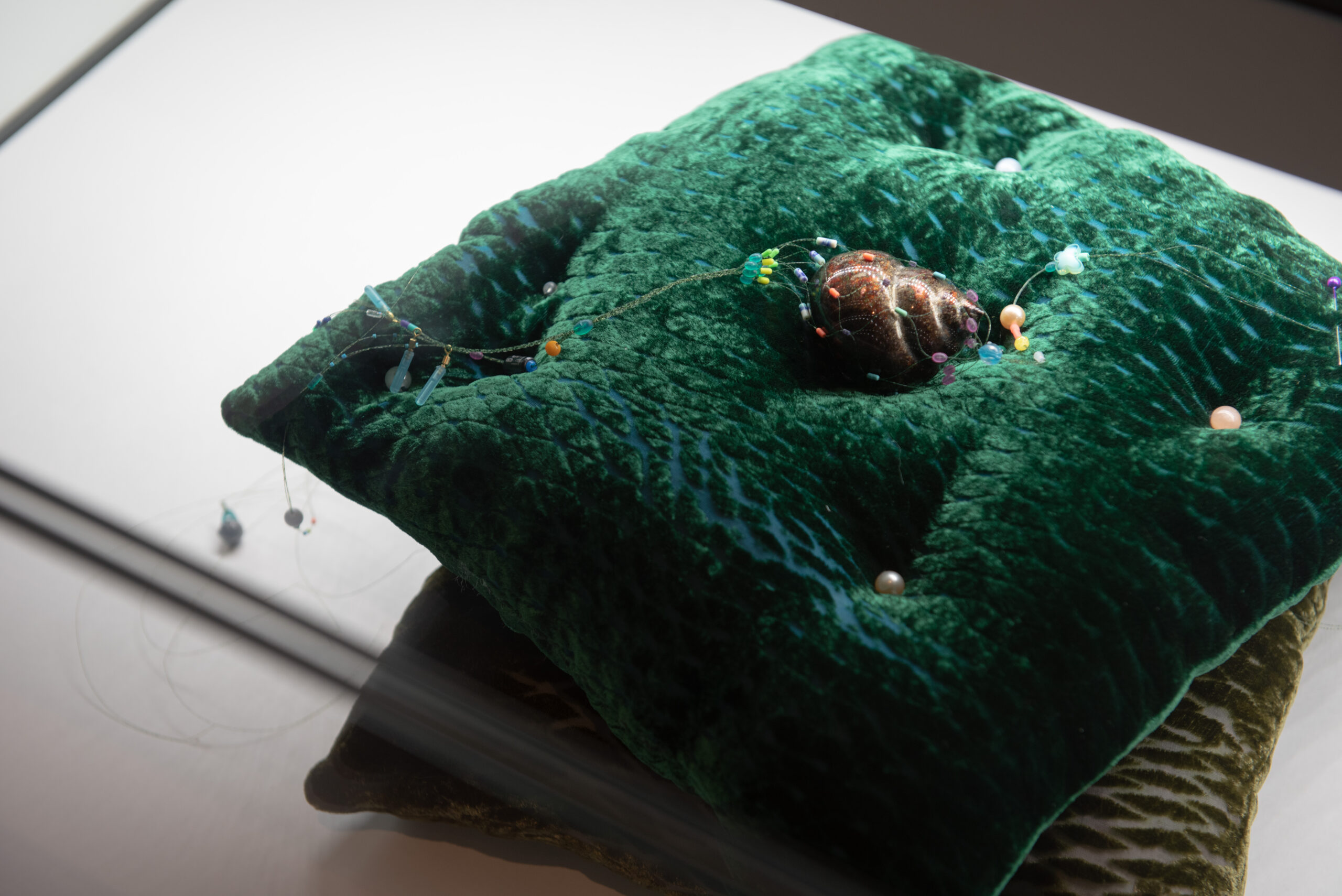
ARTRO is pleased to present Chen Li's solo exhibition "Dance of the Seven Nets", from Jan. 17 to Feb. 8, 2026. ARTROでは、2026年1月17日から2月8日まで、陳俐(チン・リー)の個展「七重網舞」を開催いたします。 ARTROでは、1月17日(土)から2月8日(日)まで、中国上海を拠点に活動するアーティスト陳俐(チン・リー)の個展を開催いたします。 陳俐の最近の作品は、幼少期に中国の農村で育った記憶と環境に関連しており、民間神秘主義の非合理的な要素や自然界のパターン、そして矛盾した美学に注目しています。 2024年に制作した鳳仙花シリーズは、アーティストが幼少期に農村で鳳仙花を使って爪を染めた記憶から着想を得ています。作品に描かれるホウセンカやケイトウなどの植物は、農村でよく見られる野生植物であり、これらが持つ郷土性と「地方の感覚」から解き放たれるような妖艶さと奔放な生命力を捉えたいと考えています。また、辺境地域における無視された声や、正統な物語から逸脱するエネルギーにも焦点を当てています。 陳俐の作品では、鉱物顔料で描かれた咲き誇るホウセンカの花は、近代化の文脈における女性の投影であり、苦痛や忍耐に対する評価や昇華を拒絶する、一種の流動的な自己拡大であり、女性の欲望や空想をも描いています。柔らかくも鮮明な筆遣い、甘美な色調、魅惑的でチャーミングな花の形が、絵に捉えどころのない神秘性を加えています。 陳は同時に、微妙な緊張感と矛盾をはらんだ視覚的要素や感覚体験にも注目しようとしています。例えば、蛾の翅の紋様、植物の繊毛感、揺らめく蝋燭の炎、蟹の鋏の鋸歯状構造とその毛流の湿った触感など。陳にとって、毛蟹の脚が絶え間なく重なり合い、踊るように動く様は、また別の形で鳳仙花の生命力の継続を象徴しています。 2025年の最新作において、陳は漆工芸、刺繍、編み物といった新たな技法を展開し、サロメの形象と湿気を帯びた漁具を融合させようとしました。サロメのイメージはこれまで繰り返し解釈され、新約聖書の原典から離脱し、戒律の枠を飛び越えつつも歪んだ解釈の中で揺れ動いています。「危険な誘惑」という言葉はこれほどまでに強い引力を持ち、その無限に膨らむ想像力と覗き見欲は、彼女の身に重ねられた七重のベールに裁断され、踊るたびにベールと装飾品が擦れ合うサササという音と共に響き渡ります。 作品『Silk, Sinkers, & the Dance』において、陳は中国の民間伝承「田螺姑娘(タニシ姫)」の物語も取り入れています。サロメのイメージは聖性と妖艶性の狭間に囚われたままであるかのように見えるが、田螺姑娘の物語には別の駆け引きが潜んでいます。彼女の貝殻は、奪われたもう一つのアイデンティティなのか?サロメが誘惑に用いるベールと、田螺を捕る網との違いとは何か?軽やかさか束縛か?レスリー・ミラーが企画した展覧会「Lost in Lace」の解説文にはこう記されています。「レースは公と秘、純粋と不純、無垢と越境の間の官能的な境界線であり、完璧な情景構築である。幾つかの空想を喚起しつつも何かから逃避しているように見え、同時に高低異なる解像度を併せ持ち、前景を占めつつ次第に背景へと褪色していく」 では、紗と網の組み合わせはレースのような曖昧な領域になるのでしょうか? 答えはわからないですが、これらの生地に肌を寄せた時に生まれる、漂うようなチクチクとしたささやきを想像できるでしょう。まるで四方八方に広がるカニの爪のようです。 ぜひ会場にてご体感ください。 Chen Li’s recent work draws from memories of her childhood in rural China. As a result, she focuses on the irrational elements of folk mysticism, patterns in nature, and a contradictory aesthetic mixed with fallacies. Her 2024 Balsam Flower series is inspired by memories of dyeing fingernails with balsam flowers in the countryside. As common wild plants in rural areas, balsam and cockscomb flowers become, in Chen’s paintings, a means to capture their demonic nature and unbridled vitality—a force struggling to bloom from rural characteristics and a ‘sense of local’. Her work tries to attend to the ignored voices in marginalized regions—the desire to expand outward and the energy that escapes orthodox narratives. In Chen’s paintings, mineral-pigment balsam flowers serve as a projection of womanhood in modern contexts. The blooming balsam represents a fluid, self-expanding identity that refuses to aestheticize or sublimate suffering and endurance, while also tracing female desire and fantasy. Soft yet sharp brushstrokes, sweet color blocks, and bewitching floral forms lend the images an elusive mystical quality. Chen also focuses on visual elements and sensory experiences charged with subtle tension and contradiction: the pattern of moth wings under close gaze, the fuzzy texture of plants, the flowing flicker of candlelight, the serrated edges of crab claws and the damp touch of their bristles. For her, the ceaseless overlapping and swaying of a hairy crab’s legs are a continuation of the life force of balsam flowers—their imagery subtly enfolding the details of many preceding frames. When she perceives the world, it feels less like smoothness and coherence, and more like something fuzzy and aquiver. In her latest works from 2025, Chen has expanded into lacquer craft, embroidery, and weaving, attempting to merge Salome with the damp scent of fishing gear. Salome’s figure has been reinterpreted repeatedly, drifting from her origin in the New Testament. Her image lingers between breaking free from religious discipline and being continually distorted and annotated. The phrase “dangerous seduction” holds such compelling allure that this infinitely amplified imagination and voyeuristic desire are cut and stitched into the seven veils layered upon her—accompanied by the soft shush of sheer fabric and ornaments brushing together as she dances. In the work Silk, Sinkers, and the Dance, Chen also incorporates the Chinese folktale of the River Snail Maiden. While Salome seems perpetually trapped between sanctity and seduction, the River Snail Maiden’s story entails another kind of struggle: Is her shell a stolen identity? What divides the veil of seduction from the net that traps the snail—lightness or restraint? Lesley Millar wrote for her curated exhibition Lost in Lace: “Lace is the erotic edge between public and private, pure and impure, innocent and transgressive; a perfect mise en scène, which appears to invite and yet evade; which simultaneously has high and low resolution; which occupies the foreground and gradually fades into the background.” Could the fusion of veil and net create a liminal zone like lace? You cannot be certain, but you will imagine the wandering, itchy whispers that rise when pressing close to such textiles—like crab claws blooming everywhere. ARTRO cordially invites you to experience the exhibition.
Goods
Not this time
Drinks
Seven Nets Chai 本展のタイトル「七重網舞」より着想し、7種のスパイスを使用したチャイをご用意しました。 グリーンカルダモン、クローブ、黒胡椒、クミンシード、生姜、サフラン。サロメが纏う七重のベールが抱く多層なイメージのように、複雑な味わいが広がります。 Velvet Depths Green tea 「Velvet Depths」が持つ深いグリーンとベルベットの質感からインスパイアされたグリーンティー。 農村で育った記憶から生み出される陳俐の作品のエッセンスを投影して、ライムとミントの爽やかな風味を添えました。
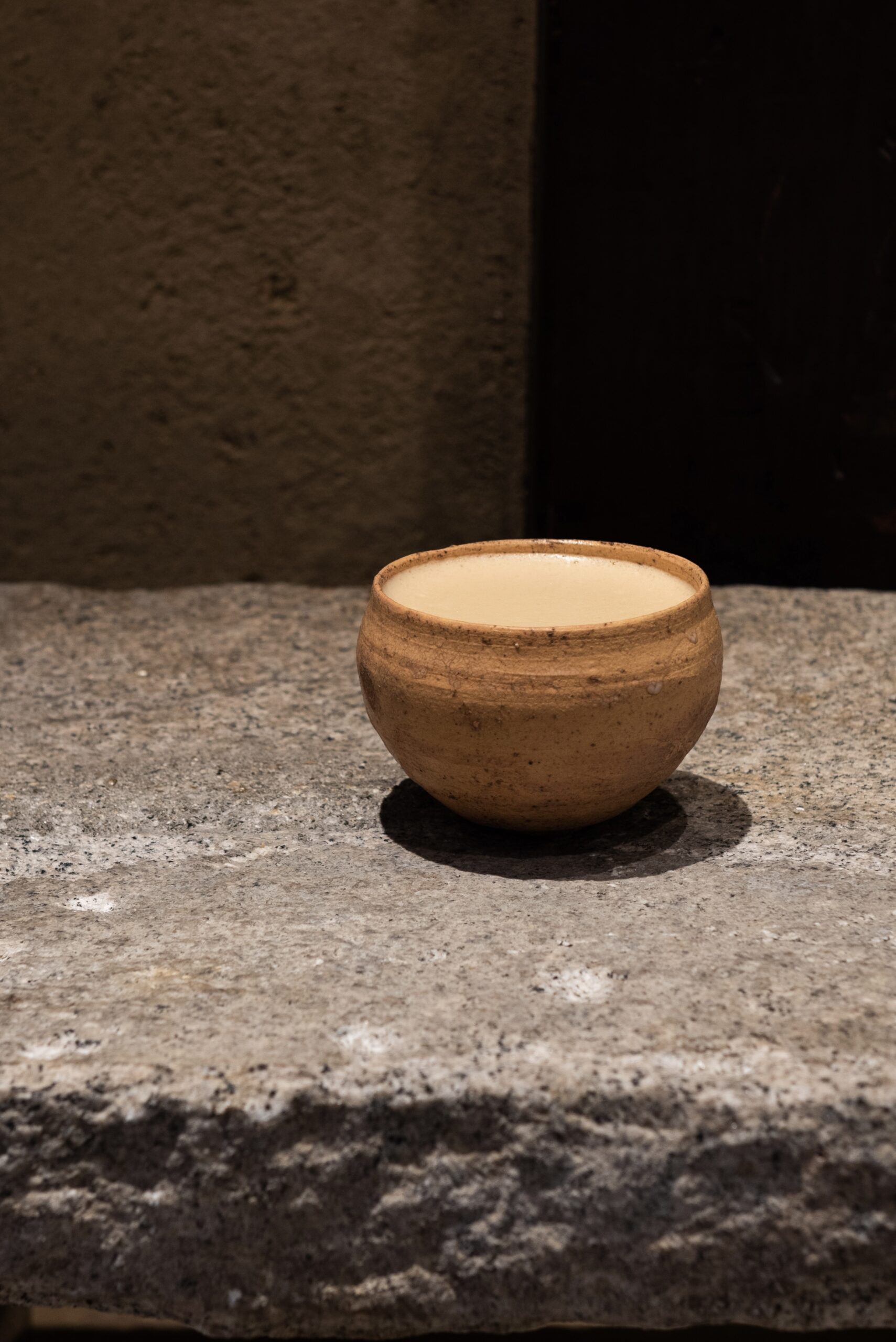
Seven Nets Chai
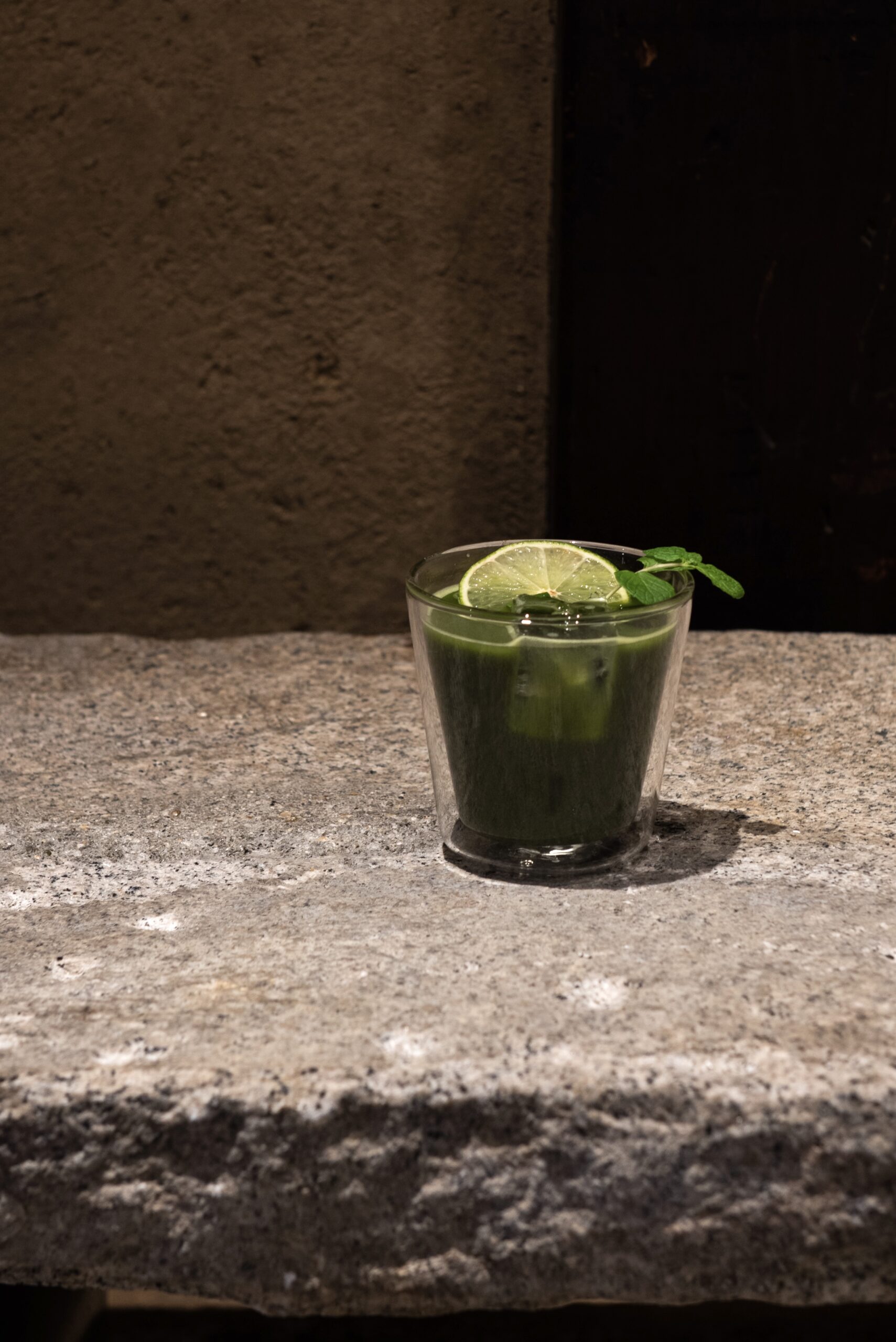
Velvet Depths Green tea
Artist Information
陳俐(チン・リー)
1996年、中国浙江省寧波市に生まれる。2018年、グラスゴー美術学校を卒業後、2020年にセントラル・セント・マーチンズでファインアートの修士号を取得。現在、上海に在住し、制作活動を行っている。 陳俐の作品は、鉱物顔料を用いた絵画、現代漆芸、陶芸といったメディアを通して、流動的な矛盾美学を探求している。現代社会における女性物語、東洋神秘美学、そして近代化の進行中における社会の日常に存在する「非合理的」な側面に焦点を当てている。彼女は、現代性と神秘主義、エリート文化と迷信の間の衝突と共存、さらには理性と直感のせめぎ合いが生み出す、雌雄同体で微妙な状態や迷宮のような混沌美学を理解しようとしている。
Chen Li
Chen Li, born in Ningbo, China in 1996, graduated from the Glasgow School of Art in 2018, and she earned her Master’s in Fine Arts from Central Saint Martin UAL. Now she lives and works in Shanghai. Chen Li’s recent artworks are exploring the aesthetic of contradictions through Asian lacquer craft, ceramic art and mineral pigment painting as mediums. She interested in female narrative of modern context, Eastern mysterious aesthetic and the ‘irrational’ dimensions of social life under the modernization process. She wants to explore the clash or coexistence between mysticism and modernity, superstition and elite culture, intuition and reason in the current society to understand how it leads to a kind of aesthetic of contradictions as a continuous androgynous status.